
Resource Center

Publications

Videos

Consent Videos

Media Coverage

Peer Reviewed Publications

Permanent Bilateral Carotid Filters for Stroke Prevention in Atrial Fibrillation
Tom De Potter l Ofer Yodfat l Guy Shinar l Avraham Neta l Vivek Y. Reddy l Petr Neuzil l Roland Veltkamp l Stuart J. Connolly
Abstract: Purpose of Review A novel permanent carotid filter device for percutaneous implantation was developed for the purpose of stroke prevention. In this review, we cover rationale, existing preclinical and clinical data, and potential future directions for research using such a device. Recent Findings The Vine™ filter was assessed for safety in sheep and in 2 observational human studies, the completed CAPTURE 1 (n = 25) and the ongoing CAPTURE 2 (planned n = 100). CAPTURE 1 has shown high procedural and long-term implant safety. A control group was not available for comparison. Summary A mechanical filter for permanent stroke prevention can be implanted bilaterally in the common carotid artery safely and efficiently. A randomized trial is planned for 2021 (n = 3500, INTERCEPT) to demonstrate superiority of a filter + anticoagulation strategy over anticoagulation alone in patients at high risk for ischemic stroke.

Read & Download
A Permanent Common Carotid Flter For Stroke Prevention In Atrial Fibrillation: Ex Vivo And in Vivo Pre-Clinical Testing
Ofer Yodfat l Guy Shinar l Avraham Neta l Sagit Broder l Yair Dan l Eyal Kaufman l Vivek Y. Reddy
Abstract: Background and purpose: A novel, permanent, bilateral, common carotid artery (CCA) coil filter implant was designed to capture stroke-producing emboli in atrial fibrillation patients. Under ultrasound guidance, it is automatically deployed through a 24-gauge needle and is retrievable up to 4 h post-procedure. We assessed the feasibility, safety, and effectiveness of the CCA filter in pre-clinical testing. Methods: In a pulsatile flow simulator, the filter’s embolic capture efficiency and integrity of simulated (1.2 mm diameter nylon balls) and actual thromboemboli were tested. Implant insertion, retrieval, and chronic safety were tested in sheep by ultrasound and X-ray. At termination, the CCAs were explanted and examined by pathology, histopathology and scanning electron microscopy. The fate of captured emboli was evaluated in sheep 3 weeks after upstream injection of autologous thromboemboli. Results: In the flow simulator, 10 filters captured 29 of 29 (100%) 1.2 mm diameter nylon balls. In the thromboemboli integrity test, all captured thromboemboli (99 of 99) were adherent to the filter, without fragmentation. All sheep (n = 30/60 implants) underwent successful CCA filter implantation. During follow-ups at 4, 12, 13, 23, and 31 weeks (6 sheep/12 implants at each follow-up), there were no (0%) major bleeds, CCA damage/stenosis, implant migration, flow obstruction, or thrombi detected by ultrasound. Two organized microthrombi (b100 μm) were observed by histopathology at the puncture site. After 3 weeks, autologous captured thromboemboli (n = 10) either completely regressed (5 of 5) or did not progress (5 of 5). Conclusion: These favorable pre-clinical results prompt clinical testing of the CCA filter in stroke prevention clinical trials
Read & Download

JACC Peer-Reviewed Article Describing The Interim Results Of The CAPTURE First-In-Human Study
Vivek Y. Reddy l Petr Neuzil l Tom de Potter l Jan van der Heyden l Selma C. Tromp l Benno Rensingl Eva Jiresova l Libor Dujka l Veronika Lekesova
Abstract:
BACKGROUND
Patients with high stroke risk and atrial fibrillation who are unsuitable to oral anticoagulants (OACs)require other stroke prevention strategies. A novel permanent coil filter directly placed into both common carotid arteries(CCAs) was designed to capture emboli >1.4 mm in diameter.
OBJECTIVES
The multicenter, nonrandomized, first-in-human clinical CAPTURE (Carotid Artery Implant for Trapping Upstream Emboli for Preventing Stroke in Atrial Fibrillation Patients) trial sought to determine the feasibility and safety of bilateral CCA filter placement.
METHODS
Eligible patients had atrial fibrillation, CHA2DS2-VASc (Congestive heart failure, Hypertension, Age 75 years, Diabetes, Stroke/transient ischemic attack, Vascular disease, Age 65 to 74 years, Sex category) $2, OAC unsuitability, CCA size 4.8 to 9.8 mm, and no carotid stenosis >30%. Under ultrasound guidance, after direct transcutaneous carotid puncture with a 24-gauge needle, a motorized unit expels the filter to unfurl in the artery. Patients received aspirin/clopidogrel for3 months, and aspirin thereafter. Primary endpoints were: 1) procedural success—bilateral, properly positioned CCA filters; and 2) 30-day incidence of major adverse events—death, stroke, major bleeding, filter migration, CCA thrombus, or stenosis. Carotid ultrasounds were conducted post-procedure, pre-discharge, at 1 week, and at 1, 3, 6, and 12 months.
RESULTS
At 3 centers, 25 patients were enrolled: age 71 9 years, CHA 2 DS2-VASc ¼ 4.4 1.0, prior embolism in 48%.Procedure success was 92% (23 of 25 patients); 1 patient had unilateral deployment. There were no device/procedure-related major adverse events; minor puncture site hematomas/edema occurred in 5 of 25 (20%). After 6-month mean follow-up, asymptomatic thrombi were detected in 4 patients (1 bilateral, 4 unilateral), adjudicated as captured (n ¼ 3)unclassified (n ¼ 2), or in situ (n ¼ 0). In all patients, the thrombi dissolved with subcutaneous heparin. In 1 patient,2 device/procedure-unrelated minor strokes occurred.
CONCLUSIONS
Permanent carotid filter placement for stroke prophylaxis is technically feasible and safe.(Carotid Artery Implant for Trapping Upstream Emboli for Preventing Stroke in Atrial Fibrillation Patients [CAPTURE];NCT03571789) (J Am Coll Cardiol 2019;74:829–39) © 2019 The Authors. Published by Elsevier on behalf of the American College of Cardiology Foundation. This is an open access article under the CC BY-NC-ND license (http://creativecommons.org/licenses/by-nc-nd/4.0/) .
Read & Download
JACC Editorial Comment About The Interim Results Of The CAPTURE First-In-Human Study
Michael S. Lee l Justin Hayase l David R. Holmes
Read & Download
Videos
NOTE: The individuals featured in these videos are independent third parties, and their statements reflect their own experiences and opinions. Javelin Medical does not control the content of the original publications. The Vine™ device is limited by U.S. law to investigational use, and its safety and effectiveness are currently being evaluated in the INTERCEPT clinical study.
General Introduction
Overview of Javelin Medical Ltd and the Vine™ System
Presented during the INTERCEPT PI (Principal Investigators) Meeting at ESOC, May 2026.
Yoni Ben Zvi, CEO and Sagit Broder VP Clinical & Regulatory Affairs at Javelin Medical, present Javelin Medical and the Vine™ device.
Paradigm Changing Trials
Presented during the INTERCEPT PI Meeting at ESOC, May 2026.
Dr. PJ Devereaux, CEO, Scientific Director of World Health Research Incorporated, discusses the importance of clinical trials and their role in expanding treatment opportunities for patients.
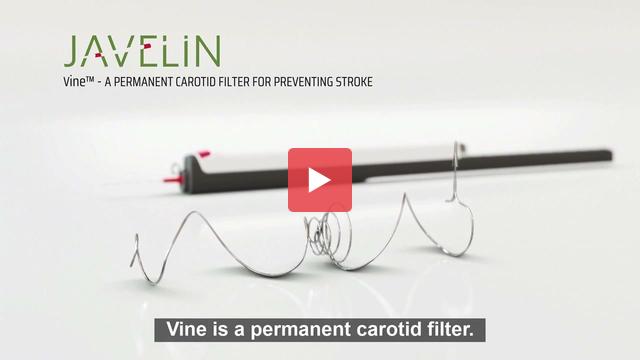
Procedure Introduction Animation
Overview of the procedure and mechanism of action.
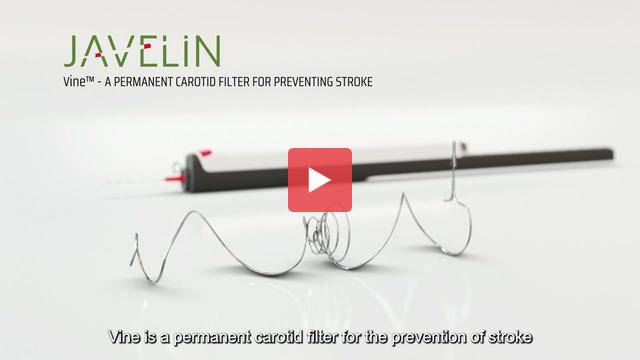
Vine™ Embolic Protection System Animation
Introduction to the Vine™ System, its components, and procedural overview.
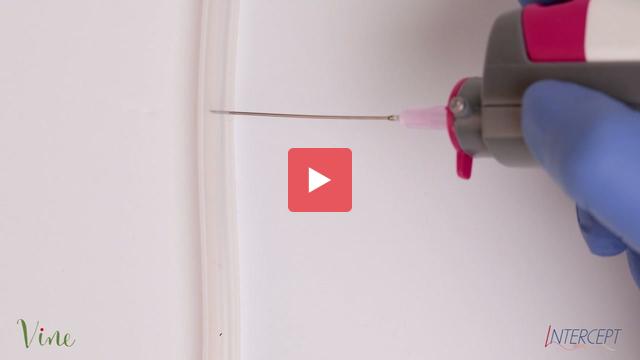
Implant Deployment Demonstration
Demonstration of implant deployment in a silicone tube model.
National Leaders, Principal Investigators and Operators
Watch INTERCEPT trial leaders Dr. Shoamanesh, Dr. Benz and Dr. Devereaux discussing the clinical need and introducing the INTERCEPT trial.
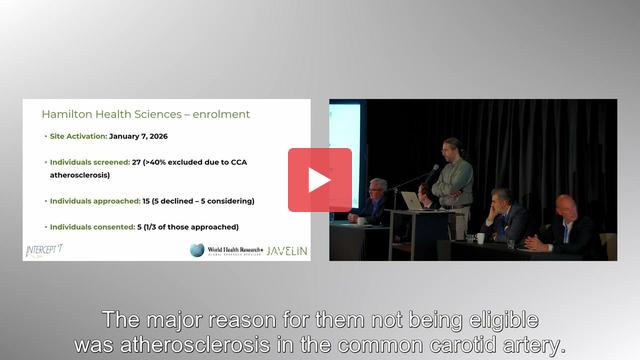
Enrolling Patients Experience at Hamilton Health Sciences, Canada
Presented at the INTERCEPT PI Meeting.
Dr. Aristeidis Katsanos, Vascular Neurologist at Hamilton Health Sciences and McMaster University, shares his experience enrolling patients in the INTERCEPT trial.
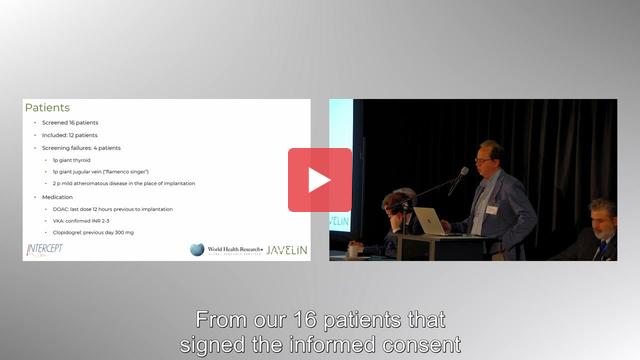
Vine™ Experience at Ramón y Cajal Hospital, Madrid, Spain
Presented at the INTERCEPT PI Meeting.
Dr. Jaime Masjuan, Head of Neurology Department at Hospital Universitario Ramón y Cajal, shares his experience as a CAPTURE 2 investigator and national leader for INTERCEPT, including insights on patient recruitment and the implantation procedure at his site.
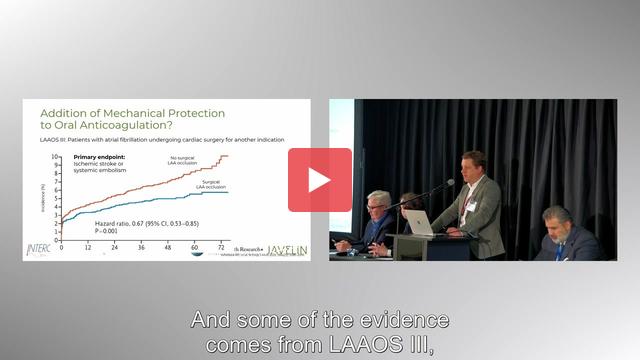
Unmet Medical Need
Dr. David Seiffge, Stroke Neurologist at Inselspital, Bern University Hospital, highlights the continued occurrence of recurrent ischemic strokes despite current therapies.
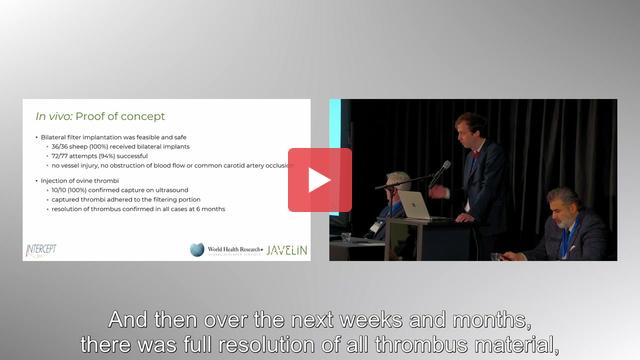
Preclinical Testing & First-in-Human CAPTURE Clinical Trial
Presented at INTERCEPT PI Meeting.
Dr. Alexander P. Benz, Cardiologist and World Health Research Incorporated and McMaster University, reviews the in vitro and in vivo study results and presents the CAPTURE First-in-Human Clinical Trial design and outcomes.
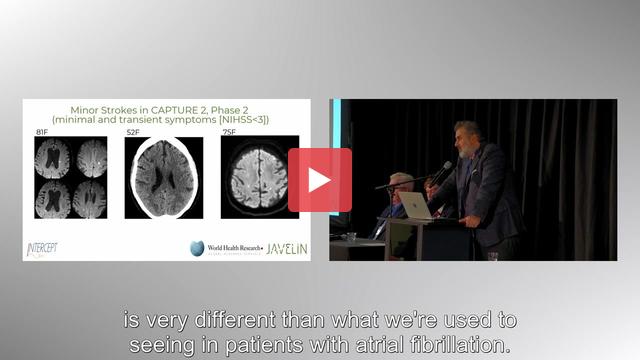
CAPTURE 2 Safety Clinical Trial & INTERCEPT Global Pivotal Clinical Trial
Presented at the INTERCEPT PI Meeting.
Dr. Ashkan Shoamanesh, Associate Professor of Medicine and Stroke Neurologist, World Health Research Incorporated and McMaster University, presents the CAPTURE 2 Safety Clinical Trial design and two-year clinical outcomes, as well as the design of the currently enrolling INTERCEPT Global Pivotal Clinical Trial.
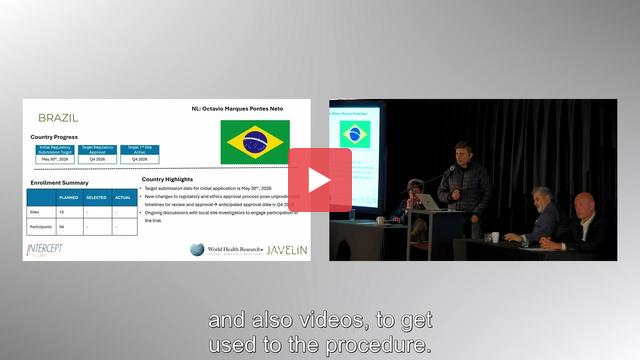
INTERCEPT Global Study Update
Presented at the INTERCEPT PI Meeting.
National leaders of the INTERCEPT study provide updates on study progress and regulatory submissions across participating countries.
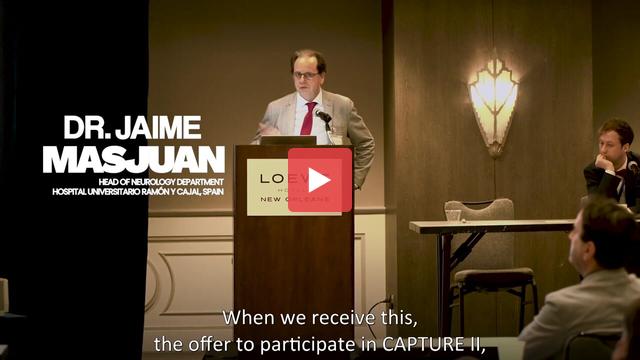
Vine™ Experience at Ramón y Cajal Hospital, Madrid, Spain
Presented at INTERCEPT PI Meeting.
Dr. Jaime Masjuan, Head of Neurology Department at Hospital Universitario Ramón y Cajal, shares his experience as a CAPTURE 2 investigator and national leader for INTERCEPT, including insights on patient recruitment and the implantation procedure at his site.
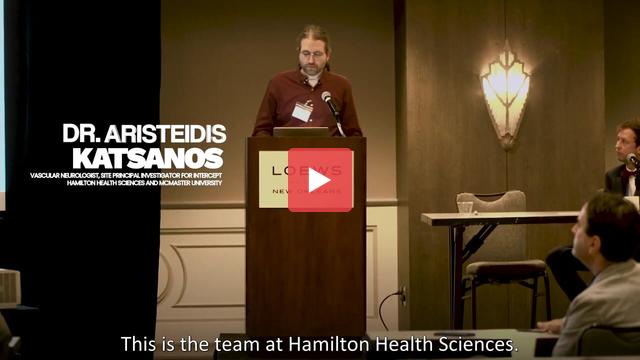
Enrolling Patients Experience at Hamilton Health Sciences, Canada
Presented at the INTERCEPT PI Meeting.
Dr. Aristeidis Katsanos, Vascular Neurologist at Hamilton Health Sciences and McMaster University, shares his experience as the first site to enroll a patient in the INTERCEPT trial.
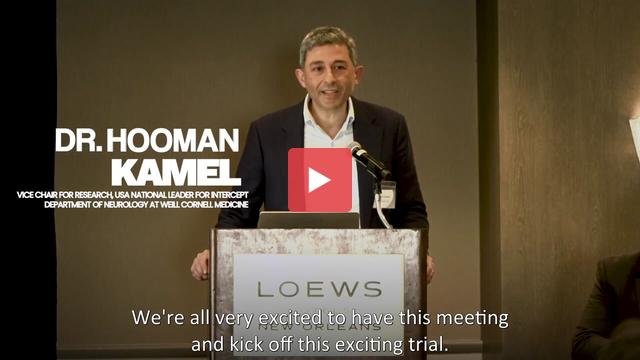
Unmet Medical Need
Presented at the INTERCEPT PI Meeting.
Dr. Hooman Kamel, Department of Neurology at Weill Cornell Medicine, highlights the continued occurrence of recurrent ischemic strokes despite current therapies.
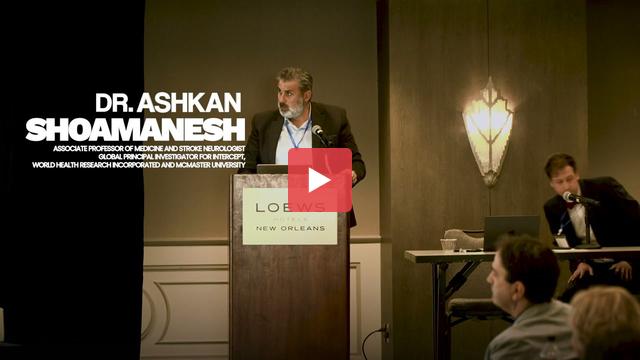
CAPTURE 2 Safety Clinical Trial & INTERCEPT Global Pivotal Clinical Trial
Presented at the INTERCEPT PI Meeting.
Dr. Ashkan Shoamanesh, Associate Professor of Medicine and Stroke Neurologist, World Health Research Incorporated and McMaster University, presents the CAPTURE 2 Safety Clinical Trial design and two-year clinical outcomes, as well as the design of the currently enrolling INTERCEPT Global Pivotal Clinical Trial.
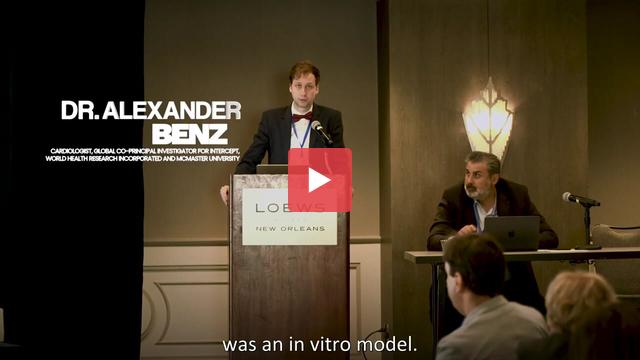
Preclinical Testing & First-in-Human CAPTURE Clinical Trial
Presented at the INTERCEPT PI Meeting.
Dr. Alexander P. Benz, Cardiologist and World Health Research Incorporated and McMaster University, reviews the in vitro and in vivo study results and presents the CAPTURE First-in-Human Clinical Trial design and outcomes.
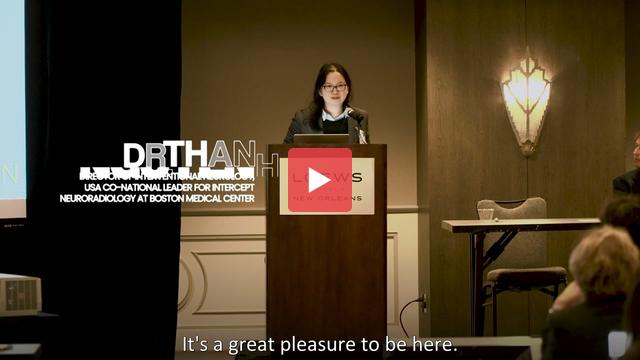
Emerging Clinical Opportunities in Neurosciences
Presented at the INTERCEPT PI Meeting.
Dr. Thanh Nguyen, Director of Interventional Neurology at Boston Medical Center, discusses key considerations for using the Vine™ in patients with ischemic stroke.
Operator Materials
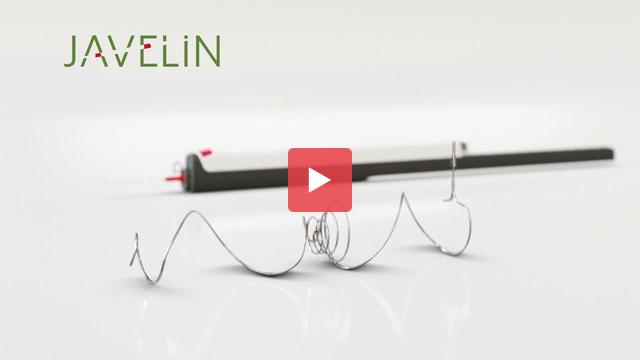
Implantation Checklist Procedure Animation
Performing an optimal Vine™ implantation procedure.
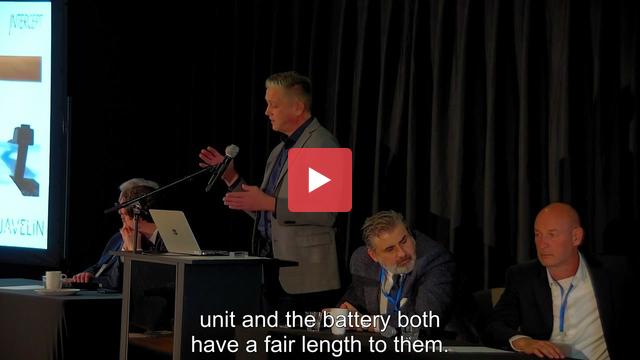
Hamilton Health Sciences Operator First Experience With The Vine™ Implantation Procedure.
Dr. Brian Van Adel, Interventional Neuroradiologist, shares his experience with Vine™ implantation procedure at the ESOC Conference; May 2026
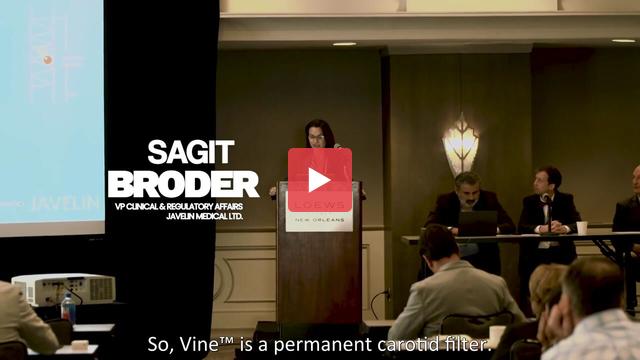
Overview of the Vine™ Embolic Protection System
Presented during the ISC INTERCEPT PI Meeting; Feb 2026.
Sagit Broder, VP Clinical & Regulatory Affairs, presentation of the Vine™ System and procedural workflow.
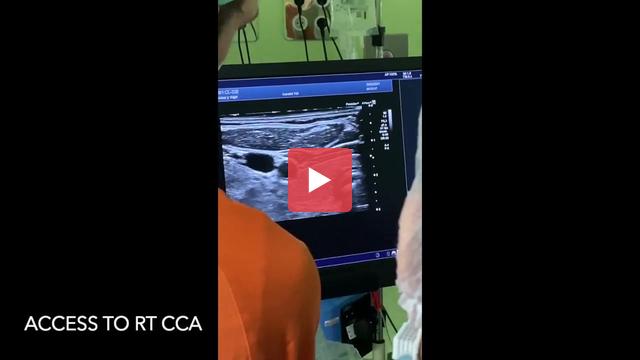
Live Vine™ Implantation Case
Recorded procedure from the CAPTURE2 study, performed at Hospital Universitario Ramón y Cajal by Dr. Enrique Aracil and the PI Dr. Jaime Masjuan, Head of Neurology Department, Madrid, Spain.
Patient Information Materials
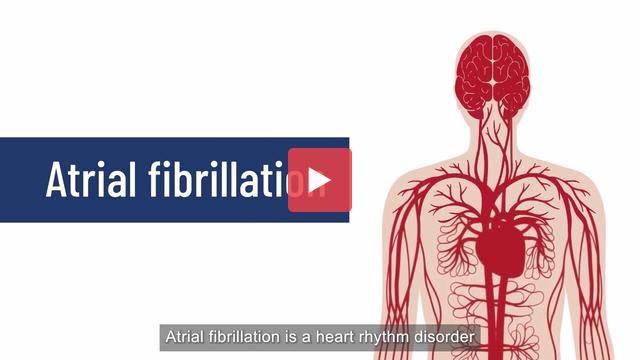
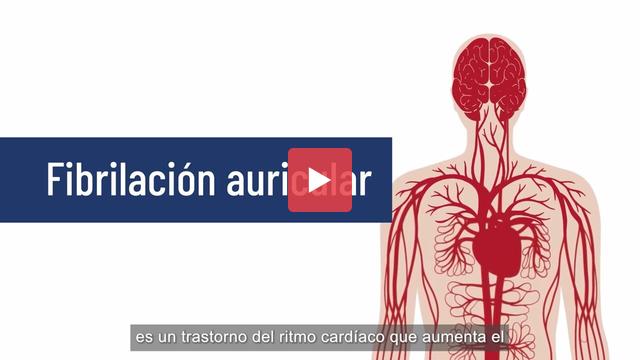
USA, English
INTERCEPT Patient Information
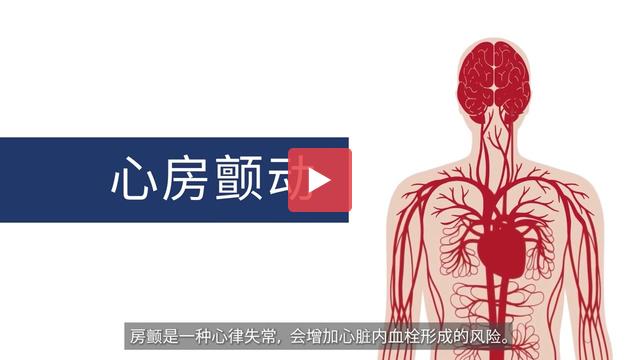
USA, Spanish
INTERCEPT Patient Information
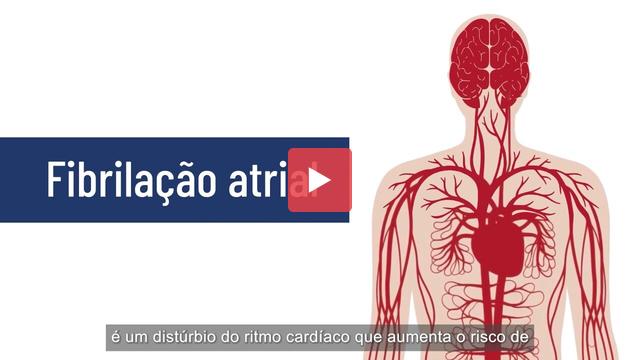
USA, Chinese
INTERCEPT Patient Information
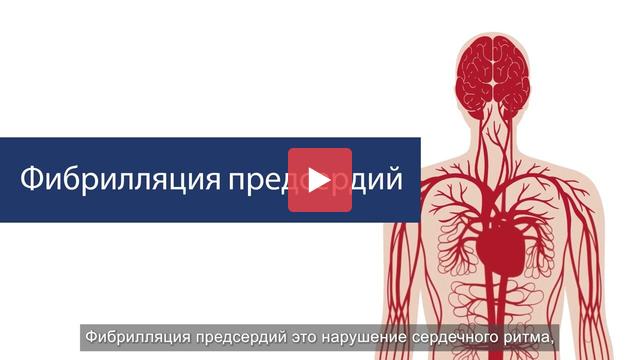
USA, Brazilian Portuguese
INTERCEPT Patient Information
USA, Russian
INTERCEPT Patient Information
Argentina, Spanish
INTERCEPT Patient Information
Belgium, Dutch
INTERCEPT Patient Information
Belgium, French
INTERCEPT Patient Information

Belgium, German
INTERCEPT Patient Information

Brazil, Portuguese
INTERCEPT Patient Information
Canada, English
INTERCEPT Patient Information
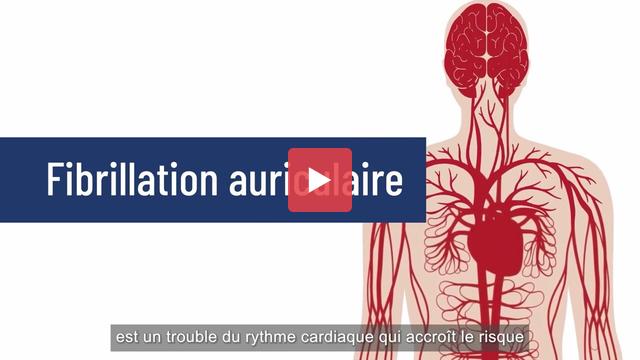
Canada, French
INTERCEPT Patient Information
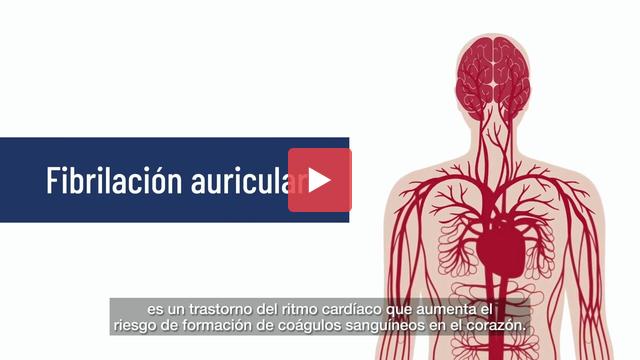
Chile, Spanish
INTERCEPT Patient Information
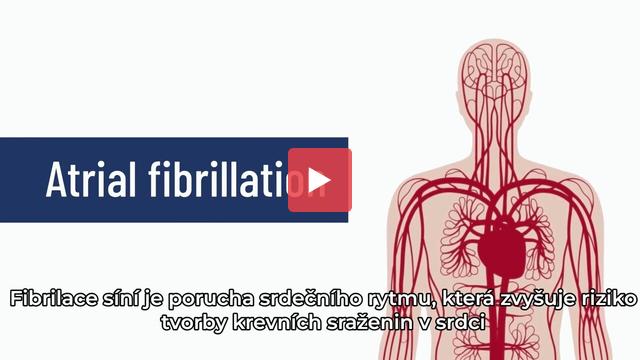
Czech Republic, English
INTERCEPT Patient Information
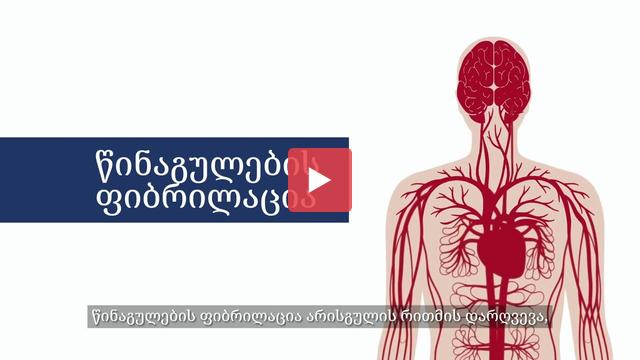
Georgia, Georgian
INTERCEPT Patient Information

Germany, German
INTERCEPT Patient Information
Greece, Greek
INTERCEPT Patient Information
Italy, Italian
INTERCEPT Patient Information
Portugal, Portuguese
INTERCEPT Patient Information
Spain, Spanish
INTERCEPT Patient Information
Switzerland, French
INTERCEPT Patient Information
Switzerland, German
INTERCEPT Patient Information
Switzerland, Italian
INTERCEPT Patient Information
Media Coverage and Events

New Clinical Trial Uses A Filter To Help Prevent Strokes; May 2026


Hamilton Health Sciences Enrolls First INTERCEPT Trial Patient In Canada; May 2026

First U.S. Patient Enrolled In INTERCEPT Trial, Rockford, Illinois; May 2026. Rockford Hospital Enrolls First U.S. Patient In Stroke Prevention Trial
Learn More About Comprehensive Stroke Prevention
"*" indicates required fields

Investigational device, limited by United States law to investigational use.